A naturally-occurring appetite suppressant has been discovered by UK scientists, who say it could pave the way for a diet drug without side effects. It may also have the potential to treat aspects of alcohol and drug abuse.
Hemopressin is a small bit of protein which works by affecting the reward centers of the brain associated with pleasurable experiences such as eating, sex and drug highs.
It has long been known that the rewarding aspects of feeding behaviour influence our appetite, so that sometimes we eat for pleasure rather than hunger.
"By reducing hedonistic feeding, it is possible to help people lose weight by quenching the desire to eat,” said study co-author Dr Garron Dodd, from the Faculty of Life Science at the University of Manchester.
The scientists gave hemopressin to mice and monitored their feeding and other behaviours. They found that while the amount they ate decreased, their behaviour patterns remained the same.
Six years ago, a synthetic anti-obesity product - Rimonabant - was developed which also acted on the brain to suppress appetite as well as reducing fat deposition. However, it was later withdrawn from the market due to side effects such as depression and increased suicidal thoughts.
But Dr Dodd believes that the naturally-occurring hemopressin may not cause such side effects.
“This is a newly discovered peptide and we do not know yet exactly where it is expressed in the brain," he said.
This discovery does however offer new insights into how the brain controls appetite, and opens new avenues by which to manipulate this brain circuitry and aid the development of anti-obesity treatments.
Dr Dodds said his team now plan to carry out further research to find out if hemopressin has a long lasting effect. They also need to establish whether their findings can be confirmed in people.
At this point, I 'll just wait for Dr Dodds next discovery. What are you going to do?
As a career Nutritionist, I meet people with weight concerns very often. I have come to discover these common mistakes that many make which makes weight gain easy.
1. Skipping Meals
Not eating does not only mess with your body's ability to control your appetite, it also destroys your willpower, which is just as damaging. Regulating yourself is a brain activity, and your brain runs on glucose. If you skip breakfast your brain will lack the energy to say no to the inevitable over eating in the next meal. Skipping a feed can turn you into glutton at night and your starving brain will lack the fuel to keep you on track monitoring your diet. Restriction leads to overeating.
2. Speed-Eating
It is very good that you are not denying yourself food, just eating it more slowly. Savoring it allow your body some time so that you don't keep eating when you're full. Slow down and enjoy your food.
3. Gorging on Salty Snacks
Sodium is insidious; it causes us to eat unconsciously. Unfortunately we consume a lot of this in popcorn, chips, peanuts and biscuits. The good news is that salt cravings can go away after a couple of weeks on a reduced-salt diet, while the bad new is that not many people can replace their favorite salty snacks with carrots or celery. Avoid adding excess salt to your meal, a slow reduction of your salt habit pays off in fewer cravings.
4. Eating in Front of the TV, Then Dozing Off
Whenever this happen, you ingest calories while burning none, and sabotage your secret weight loss weapon- sleep. Research confirms that people who eat in front of the TV consume more calories (nearly 300, in one study) than those who don't, and that the more TV they watch, the less active they are. And University of Chicago researchers found that people who lost 3 hours of sleep ate about 200 more calories the next day in snacks than those who slept eight and half hours. If you want to watch TV, be active at the same time or go work out and come back—then you can treat yourself with some TV. Sleep is a fine habit when done correctly.
It may overwhelm you if you try to break all these habits at once. But if you follow the slow and steady approach, you’ll increase your chances of sculpting a thinner, fitter physique, and keeping it for life.
I know that there could be other common mistakes. Do you have an idea of any?
Starving oneself is not a way to loose weight. The easiest way to loose weight is keeping the blood sugar levels balanced by eating plenty of fiber, making the right food choices and taking sufficient exercise. All of these can help you, not only to loose weight but also maintain energy levels; improve sleep and general well being.
The body keeps blood sugar levels balanced through the secretion of the hormone known as insulin. The insulin allows glucose to be transported into the cells from the bloodstream. Elevated levels of insulin may be associated with weight gain and difficulty with weight loss. This is why balancing blood sugar levels is key in controlling weight.
Here is how to keep your blood sugar level balanced and lose weight.
§Eat protein at every meal and snack. This is crucial in balancing blood sugar levels. Protein foods such as fish, eggs, meat, dairy, tofu or pulses have virtually no effect on blood sugar levels and help insulin to be transported into the cells.
§Eat plenty of fruits and vegetables. The fiber and water content of these foods assists in the elimination of waste products. Foods such as onions, spinach, celery, cucumber, cabbage, pears, blueberries and apples are all great foods for assisting weight loss.
§Increase soluble and insoluble fiber content in your food. Fiber plays an important role in promoting healthy blood sugar levels. It slows digestion and bind to excess waste improving excretion. It also makes you feel full easily in so doing stops you from consuming surplus sugar in a meal.
§Eat essential fats. Such include oily fish (salmon, tuna, and trout) nuts, seeds and avocados. They enhance the response of insulin to work more efficiently thereby helping blood sugar levels to be balanced.
§Eat Tryptophan containing foods. These include chicken, turkey, eggs, oats, avocados, bananas, fish, nuts and seed. Tryptophan turns into serotonin (the happy hormone) which makes us feel less hungry.
§Drink herbal teas. Green, peppermint, nettle and dandelion tea are particularly good weight loss herbs. They are natural diuretics and help digestion.
§Drink plenty of water. Drinking about a pint of water before the meal helps in keeping the portions down. Increasing water intake will help to flush out any unwanted waste products building up in the body.
§Avoid red meat. This is very high in saturated fat. Saturated fat is stored as body fat very easily and red meat is also difficulty to digest.
§Avoid refined and processed foods. Such include cakes, white bread, white pasta, biscuits, chocolate etc. These are often high in fat, sugar and calories which lead to unexpected weight gain. Choose whole/natural foods instead such as whole meal bread, brown rice, oats, lentils, peas, kidney beans etc.
§Avoid stimulants such as tea, coffee and alcohol. These disrupt blood sugar levels.
§Quit smoking. Cigarette smoke interferes with insulin function and can make balancing blood sugar levels and therefore weight loss difficult.
Finally, applying the following discipline in behaviour will help in controlling/balancing blood sugar level and enhance weight loss: do not skip meals, especially breakfast. Stop eating when full, eat majority of your food before 7.30pm making breakfast and lunch the largest meals of the day to allow the body time to burn the calories for fuel during the day. Increase regular exercise is also basic in stabilizing blood sugar levels.
Having healthy and normal eating children is the pride of every parent. In such children disease bouts are rare and mummy is relaxed because cooking and meal times are easy and fun. For mothers who are struggling with a child who is a finicky eater, do not worry because all hope is not lost.
It is very important to note that there is no such thing as “normal” eating for a child. Children eat in different kinds of ways, they have their own distinct tastes and preferences. Some children will go through food phases wherein they want to eat the same food over and over again. This is normal and not to be bothered about. They will eventually switch to other foods as a natural course of action. Sometimes children go through a phase where they are so hungry and they eat everything, sometimes even want more. And some children may go through a phase of not being that hungry and not wanting to eat much. All these phases are normal.
However, you can worry about a finicky eater if the child is not getting enough nutrients to grow and develop at the rate he or she should be. Consult your pediatrician who can monitor your child’s growth and development and determine anything that is medically or emotionally off-balance quickly.
Here are some feeding tips that can help parents of finicky or picky children:
Model the right behaviour - I do not have any research to back up the fad that finicky eating is hereditary, but what I do know is if parents are picky eaters, their children learn and will often follow what is modeled to them. For instance, if a mother never eats vegetables, but serves her child vegetables, the child will probably not want to eat it. Children model parents' behaviors as to how and what they eat.
Expose your child to new foods frequently – Children learn to eat what is familiar. If the food is brand new to them, picky eaters will push it away. The trick is to add varieties to the family menu, this can also include foods from other ethnic regions or countries. One of the characteristics of food is providing the necessary nutrients that the body needs for cell growth, repairs and replenishment, and a balance of nutrients is better achieved by taking a combination of various foods.
Structure meal times – It is the parent’s job to offer a selection of foods at structured times in the day. Do not indulge ‘the snack lover child’, offering three meals and three snacks to your children at specific times will keep them on the right path. If the child chooses not to eat a meal but prefers the snack, you can let him/her make that choice. The consequence is that the child will need to wait to eat until the next structured time, be it snack or another meal. Avoid giving your children snacks all day to save yourself the risk of living with a fussy eater.
Do not give up – Experience has taught me that many parents give up too soon. Practice the exposure strategy; expose the child to the certain type of food up to 10 times (least) before giving up. The trick is to try to get the child a little more interested in the food each time you prepare it for them. For example, let the child watch you eat the food the first and the second time you prepare it, maybe the third time you expose your child to the new food, you ask the child to smell it, but do not demand that he/she eats it. Maybe the sixth time, you ask the child to have a bite or to just taste the food. Maybe the eighth time, you ask the child to help you prepare the food. Letting the child see you eat the food (modeling behavior) is important. Eventually, most children will take a bite, and hopefully like what they taste.
When you present your child with a balanced meal that you are also eating, do not give in to the child's whining or fussiness about eating the food. Do not try to avoid the complaints and end up making a new meal you know they will eat and is probably faster and less confrontational. In the long run, your children will know that they have the power to use their fussiness to be picky eaters if you always give up. There will be certain foods children will not like, do not push them to eat them if they truly dislike the taste.
Avoid negative experience with foods – Forcing a child to eat a food that he/she dislike can give the child a negative experience with the food. Some children may have to stimulate themselves to vomit the food after eating, this is a way of letting you know that they dislike the taste, the appearance or do not want to try the new food. This can lead to a lifetime hatred for the food.
Avoid restricting certain foods – This set up the feeling of deprivation, dieters know what that feels like. When you feel deprived, all you yearn for is the food that you are not to allow yourself. It is the same for children. Relay the message that all foods are equal to your children. When we say that chocolate cake is bad or that an apple is good, we set up a system where children see food in a non intuitive way. Chocolate cakes are part of the foods available to us, and in moderation, they are healthy to eat just like a bowl of carrots. The message to the children should be "balance and eating intuitively." When this is done, the children will be nourished and healthy.
Get the Children involved in the cooking process – The likelihood of the children wanting to eat the food they joined in cooking is much higher. Giving age-appropriate cooking duties that match the child's ability and safety is very important
Make eating time fun filled – This does not include allowing the child to play video game or watch cartoon network while he/she eats. Identifying the different colors on a rich meal can be a lot of fun for many children, this also increases their motivation or desire for such foods.
In summary, model healthy eating, expose your child to all kinds of foods at structured meal times, do not give up too early if they seem not to like a certain food, avoid placing food restrictions, preserve the children from negative food experiences and involve them in the cooking process as much as possible.
In clinical trials scientists found that drinking two half pint glasses of water before a meal leads to weight loss.
Lead author Brenda Davy said: "We found in earlier studies that middle aged and older people who drank two cups of water right before eating a meal ate between 75 and 90 fewer calories during that meal. In this recent study, we found that over the course of 12 weeks, dieters who drank water before meals, three times per day, lost about 5 pounds more than dieters who did not increase their water intake."
"People should drink more water and less sugary, high-calorie drinks. It's a simple way to facilitate weight management," she added.
While drinking water to lose weight is very much common sense, Dr Davy said that there has been little scientific information on this topic. Previous studies did suggest that drinking water before meals reduces calorie intake, but according to Dr Davy this was the first randomized controlled intervention trial demonstrating that increased water consumption is an effective weight loss strategy.
The study followed 48 adults aged 55 to 75, divided into two groups. One group drank 2 cups of water prior to meals and the other did not. All of the subjects ate a low-calorie diet during the study. Over the course of 12 weeks, water drinkers lost about 15.5 pounds, while the non-water drinkers lost about 11 pounds.
Dr Davy said water may be so effective simply because it fills up the stomach and has no calories. People feel full, and eat less during the meal.
Guest blogger Chimdimma Okpara: The rainy season is at its peak again. In spite of the benefits that the rains bring, the heavy uncontrollable downpours get the environment damp, wet and soggy. This of course could put everyone off as many activities on the To-do-list are hampered on a rainy day.
Regardless of the waterlogged and dully attitude associated with the season, let’s also look at the blessings that abounds therein:
It is indeed the season of the greens. Abundance of food and natural greenly supplies for health, beauty and wellness. In the season of the greens, essential vitamins for daily nutritional needs are easily sourced around and quite affordable too.
Mrs. Durotola at her niece’s engagement ceremony last weekend was handed the microphone for her piece of advice to the couple. She practically went nutrition lane with a mind-blowing caption which she repeated over and over again: “eat with the season”. Having not only urged Enyiola to be home maker, she also pointed out that the secret to happiness is first wellness and wellness comes from the preventive and restrictive approach to health watch and disease control. Going green and natural at all times is the gateway to health, wellness and a sound mind.
What a lecture it was. I couldn’t help but scribble an interesting illustration she gave using “the okras”
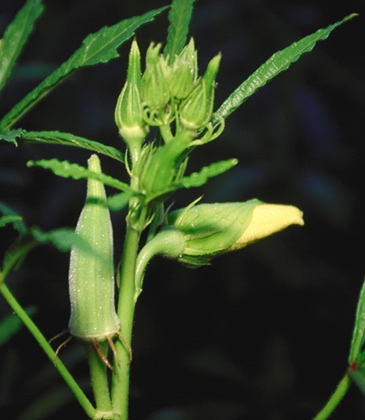
The Okra also called the lady’s fingers or gumbo is a powerhouse of nutrients and has long been used as an herbal treatment for numerous ailments like low virility and high cholesterol. And now there has been talk of it being helpful in reducing diabetes too. The medicinal value of okra is undoubted as it is rich in fiber and low in unwanted calories, facts that will impress diabetics.
It is low in calories, a good source of dietary fiber and it is fat-free which makes it a vital part of weight-watchers menu. The okra is best with its numerous nutrients when not over cooked.
The okra is:
Low in Saturated Fat, Cholesterol and Sodium
High in Dietary Fiber, Vitamin A, Vitamin C, Vitamin K, Thiamin, Vitamin B6, Folate, Calcium, Magnesium, Phosphorus, Potassium, Manganese, Protein, Riboflavin, Niacin, Iron, Zinc and Copper
The nutritional value and health benefits of okra makes it ideal for:
Maintaining optimum health
Weight loss
Avoid including okra in your diet if you're interested in:
Weight gain
Nutritional facts:
Half cup of cooked okra contains
Calories: 25
Dietary Fiber: 2 g
Protein: 1.52 g
Carbohydrates: 5.8 g Vitamin A
Volunteering to serve meals to the children last weekend during a friend’s party was an eye opener for me. I found out that some children are as anti-vegetable as they are anti-bedtime or anti-homework. They come up with crafty ways to avoid "those slimy green things," like cleverly feeding them to the dog or sneaking them into a napkin to throw out later.
For most mothers it takes little extra effort to ensure that your kids are eating their vegetables. New research published in the journal Nutrition & Dietetics found that there are several effective ways to get kids to get veggies:
Eat Vegetables
This is just saying, model the healthful behaviour you want to see in your child. When kids see you eating healthful foods or even sitting down with them so you can enjoy healthful foods together, they're more likely to eat veggies themselves. So when you make nutritious choices, you're not only feeding yourself and boosting your own health, you're also helping your kids make healthful choices.
Involve Children in Food Preparation
Anytime you get kids involved in choosing or preparing food, you will satisfy their curiosity and fuel their interest in healthful foods. So take your kids to the market and let them pick out produce. Ask them to help measure ingredients, pick vegetables or stir a pot of soup (watching carefully, of course). Over time, they will develop a greater appreciation for nutritious meals.
Hold Tasting Parties
Buy a variety of colorful seasonal vegetables and encourage your kids to try them. You could make it even more fun by slicing veggies into cute shapes and using colorful plates and cutlery to build positive associations with vegetables.
Tell them the Benefits they can derive from Vegetables
Every child want to grow big or and one day become like mummy or daddy or some other characters they see in their cartoons. Letting them know that vegetables can help them achieve some of the pictures of the persons they imagine to become or resemble is a sure way of not only getting them to eat vegetables, also appreciating its nutritious values.
This is time to start trying out these tips because children develop their food and eating habits at a young age.